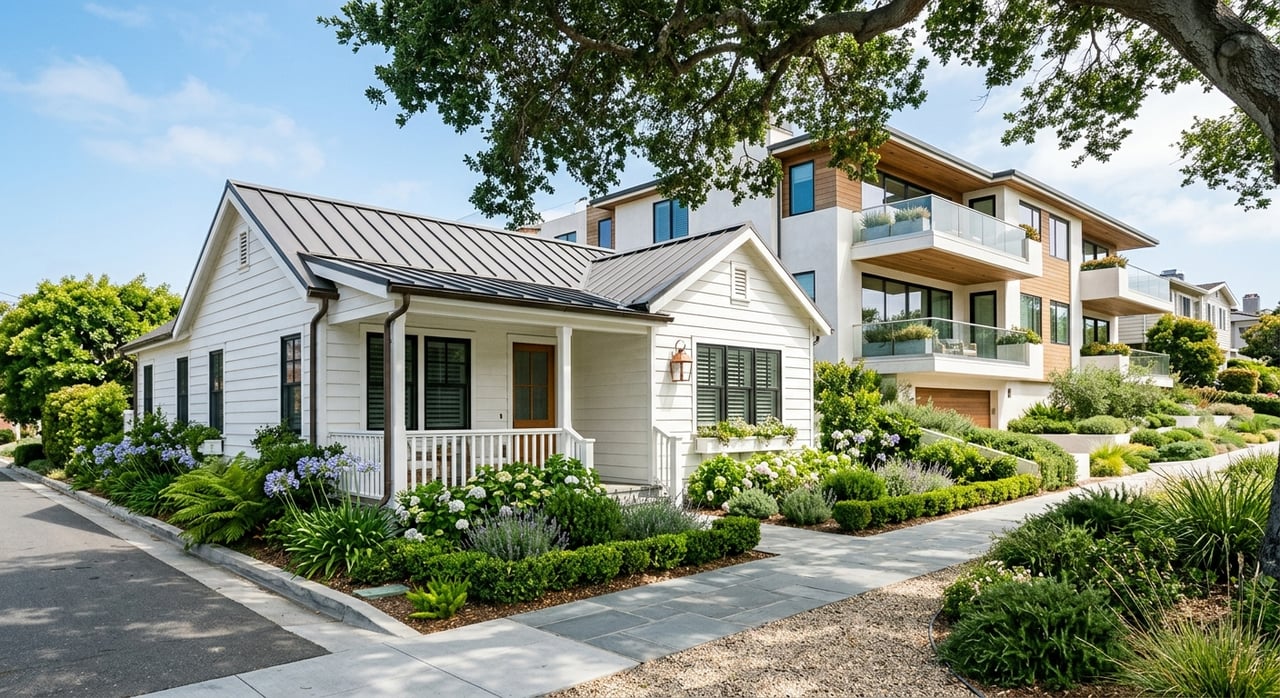
If you love the idea of owning at the North End, the biggest question may not be whether to buy there. It may be what kind of property fits the way you actually want to live. Some buyers want a simpler, lock-and-leave setup near the beach, while others want more privacy and control. This guide will help you compare condos and cottages at the North End so you can focus on the tradeoffs that matter most. Let’s dive in.
North End Living Starts With the Same Draw
At the North End, both condos and cottages share the same core appeal: beach access and a distinctly coastal setting. Virginia Beach describes the North End as a three-mile oceanfront stretch from 42nd Street to Fort Story, with a mix of historic homes, newer residences, and bungalows.
The beach itself is a major part of the lifestyle here. The city says beach access exists at each street end except 75th Street, and the North End is patrolled from 11 a.m. to 6 p.m. during beach season. In other words, whether you buy a condo or a cottage, you are really choosing how you want to manage ownership around that beach lifestyle.
Condo Ownership at the North End
A condo often appeals to buyers who want a more structured ownership experience. Under Virginia law, a condominium unit is a separate parcel, and you also own an undivided interest in the common elements.
That setup usually means the association handles more of the exterior and shared-area responsibilities. For many buyers, that can make day-to-day ownership feel more predictable, especially if you want a second home or a property that is easier to leave for stretches of time.
What a condo may offer you
Condos at the North End can be a strong fit if your priority is convenience. You may prefer having exterior maintenance, common-area upkeep, and some building-level responsibilities handled through the association rather than on your personal to-do list.
This can be especially useful if you split your time between homes, travel often, or simply do not want to manage as many property tasks yourself. The tradeoff is that convenience usually comes with dues, association rules, and a shared financial structure.
What to watch in a condo
Virginia condominium law requires associations to make annual budgets available and to conduct a reserve study at least every five years. If reserves are short, the board can adjust assessments or borrow.
That means your decision should go beyond the monthly dues amount. You will want to understand the association’s budget, reserve funding, maintenance responsibilities, and the possibility of future special assessments.
Cottage Ownership at the North End
A detached cottage usually appeals to buyers who want more direct control over the property. You may have more privacy, more outdoor space, and more freedom in how you use and maintain your home from day to day.
That extra control also means more hands-on responsibility. Instead of sharing many building-related obligations through an association, you are more likely to carry those duties yourself.
What a cottage may offer you
If you picture beach living with your own yard, your own exterior decisions, and a more private setup, a cottage may feel like the better match. Many buyers also like the sense of independence that comes with detached ownership.
For some, that flexibility is worth the added work. If you enjoy managing improvements and want fewer shared spaces, a cottage can align better with your ownership style.
What to watch in a cottage
Detached homes at the North End are not free from regulation. The North End Overlay District sits on top of the underlying R-5R Residential Resort District, and the overlay controls when there is a conflict.
The city code also emphasizes site design, on-site parking, and garage placement. So while a cottage gives you more control, you still need to verify what is allowed before planning changes, additions, or major improvements.
Parking Can Tip the Decision
At the North End, parking is not a small detail. It can shape how easy the property feels to use every week.
The city’s beach management plan says on-street parking opportunities are limited, even though beach access is strong. Current beach rules also require street-legal vehicles to park in marked spaces, which makes off-street parking an important factor for everyday living, visitors, and seasonal use.
Why parking matters so much
A property with a better parking setup may simply feel easier to own. That matters if you expect frequent guests, need space for multiple vehicles, or plan to use the home part-time and want smoother arrivals and departures.
Weak parking can become a recurring frustration. This is true whether you buy a condo with assigned spaces or a cottage with its own driveway or garage configuration.
Rentals Depend on More Than Property Type
Many buyers assume condos are harder to rent or cottages are easier to rent, but the real answer is more specific. At the North End, rental use depends on city rules plus the property’s own governing documents.
For ordinary leasing, Virginia law limits what an association can do unless the governing documents expressly say otherwise. In general, an association cannot prohibit or condition a rental, cannot charge more than a $50 rental, application, or processing fee during the lease term, and cannot require its own lease form or a tenant deposit. Associations can still require names, contact information, vehicle details, and acknowledgment of rules.
Short-term rental rules in Virginia Beach
Virginia Beach defines a short-term rental as an entire dwelling rented for fewer than 30 days. These rentals must register annually with the Commissioner of the Revenue, submit monthly tax reports, provide a 311 responsible-party contact who can respond within 30 minutes, carry at least $1 million in liability insurance, and have an approved parking plan with at least one off-street space per bedroom.
In the Oceanfront Resort STR Overlay District, newly registering short-term rentals also need a conditional use permit. If seasonal rental income is part of your plan, it is important to confirm eligibility first rather than assuming a property can be rented the way you want.
The key rental takeaway
If you are comparing a condo and a cottage mainly for rental potential, focus on the facts for that specific property. Review zoning, association documents if applicable, parking, and permit requirements before making assumptions.
In many cases, the better question is not “condo or cottage?” It is “Can this property legally and practically support the use I want?”
Flood Diligence Matters for Both
Coastal ownership always comes with extra due diligence, and the North End is no exception. Virginia Beach says coastal properties are commonly threatened by floodwaters from heavy rain, hurricanes, or nor’easters, and FEMA flood maps are used to identify Special Flood Hazard Areas.
That affects both condos and cottages. The difference is usually in how the ownership structure handles building-related responsibilities and how much of that burden rests directly on you.
How flood risk can feel different
With a cottage, you may be carrying more direct responsibility for the structure, exterior upkeep, and related planning. With a condo, some building-side maintenance may be spread through the association and reserve structure.
Neither option removes the need for flood diligence. You should review flood zone status, insurance implications, and how the property’s ownership structure handles related responsibilities.
Resale Often Comes Down to Ease of Ownership
The broader Hampton Roads market has remained a seller’s market, according to REIN’s May 2026 report on April activity. Sales were mostly flat year over year, active listings were up, and the median selling price also rose.
A separate Virginia Beach market report showed about 1,441 active listings in April 2026, with an average price around $718,385 and a median price around $470,086. In that environment, North End resale strength may continue to depend on how easy a property is to own, rent, insure, and park.
What buyers often value at resale
A condo may attract buyers who want simpler ownership and shared maintenance systems. A cottage may attract buyers who value privacy, outdoor space, and direct control.
Neither is automatically better. The strongest resale position often comes from a property that matches buyer expectations clearly and avoids unnecessary friction around maintenance, parking, insurance, or permitted use.
How to Choose the Right Fit
If you are deciding between a condo and a cottage at the North End, start with your real lifestyle, not just the listing photos. The right answer usually becomes clearer when you think about how much responsibility you want to keep and how you plan to use the property.
A condo tends to fit buyers who want:
- A lock-and-leave second home
- Less exterior maintenance
- A more predictable maintenance structure
- Shared management, even with dues and association rules
A cottage tends to fit buyers who want:
- More privacy
- More outdoor space
- More direct control over the property
- Flexibility that comes with more hands-on upkeep
Due Diligence Checklist for Either Option
Before you move forward, make sure you verify the details that shape real ownership costs and day-to-day use. At the North End, those details can matter just as much as square footage or finishes.
Review these items carefully:
- Declaration, bylaws, or other governing documents
- Association budget and reserve study, if applicable
- Parking assignments or off-street parking setup
- Flood zone status and insurance implications
- Rules around leasing or short-term rental eligibility
- Whether the property supports how you actually plan to use it
Choosing between a condo and a cottage at the North End is really about choosing your version of coastal ownership. If you want a practical, local read on specific properties, parking setups, rental questions, and resale considerations, Robert Ramey can help you compare the options with clarity.
FAQs
What is the main difference between a condo and a cottage at the North End?
- The main difference is how ownership responsibilities are handled. Condos usually shift more exterior and shared-area maintenance to an association, while cottages typically give you more direct control and more direct upkeep responsibility.
Are North End condos easier to maintain than North End cottages?
- Often, yes. Condo ownership usually includes association-managed maintenance for common areas and some exterior elements, while cottage owners generally handle more maintenance themselves.
Can you use a North End condo or cottage as a short-term rental?
- Possibly, but you need to verify city rules and any governing documents first. In Virginia Beach, short-term rentals must meet registration, insurance, contact-response, tax reporting, and parking requirements, and some locations may require additional approval.
Does parking matter when buying at the North End in Virginia Beach?
- Yes. The city says on-street parking in the North End is limited, so off-street parking, assigned spaces, and overall parking layout can have a big impact on convenience and property use.
Do North End cottages have fewer rules than North End condos?
- Not necessarily. Condos have association rules, but detached homes at the North End are still subject to city zoning and overlay regulations that can affect site design, parking, and improvements.
What should you review before buying a condo or cottage at the North End?
- Review the governing documents, budget and reserve study if there is an association, parking details, flood zone and insurance implications, and whether the property is eligible for the way you plan to use it.