Thinking about a move in Great Neck and torn between a waterfront address and an interior home? You are not alone. Both options deliver a strong coastal lifestyle, but they come with very different costs, risks, and day-to-day experiences. This guide walks you through the tradeoffs so you can choose with confidence. Let’s dive in.
Waterfront living in Great Neck
Daily lifestyle and views
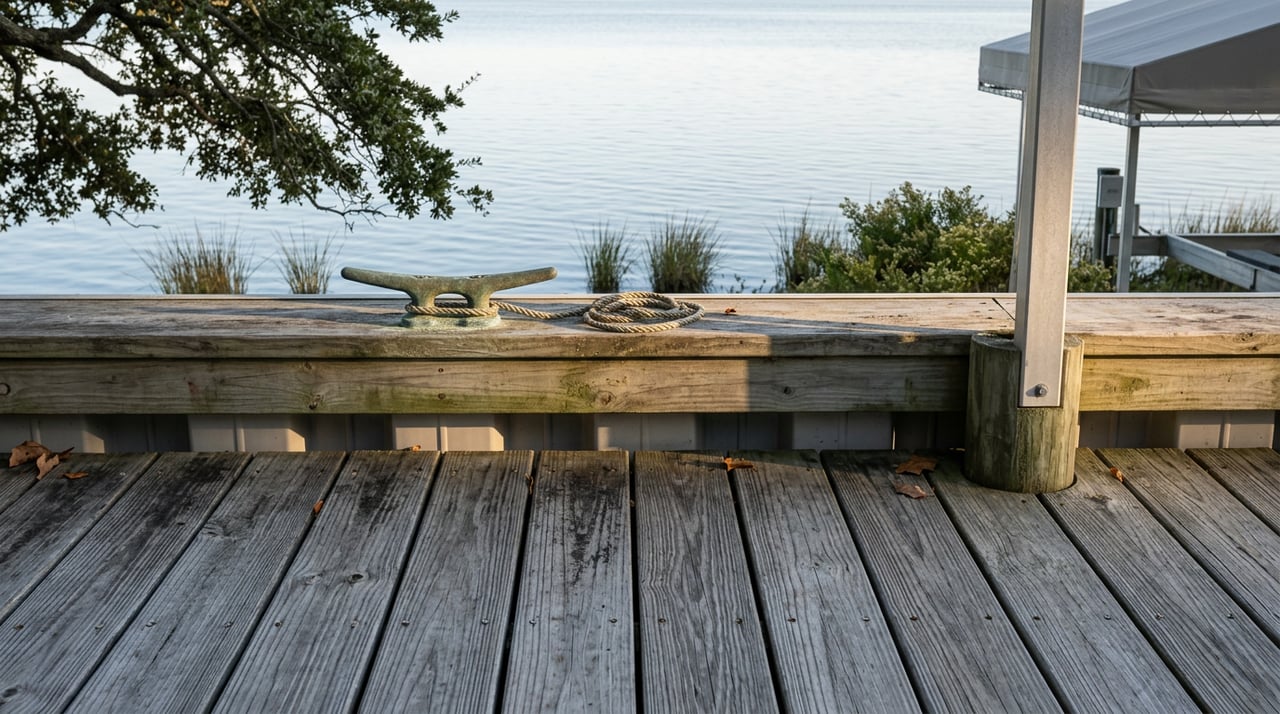
If you picture mornings on the dock, sunset views over Broad Bay, and quick access to kayaking or boating, a waterfront home may fit your priorities. Many bayfront properties in Bay Colony, Broad Bay Colony, and Bay Island offer private docks and boat lifts. You will likely see regular wildlife and boat traffic, and your outdoor living space will center on the water. Buyers often choose waterfront for the daily experience as much as for long-term value.
Lot shapes and yard use
Waterfront lots tend to be long and narrow, with most usable space oriented toward the bulkhead or shoreline. Lawn area can be modest, and privacy can vary by canal, cove, or open bay exposure. If you want room for large play areas, gardens, or a future addition, review the plat and setbacks early in your search. Small details like riparian setbacks can shape how you use the yard.
Maintenance and shoreline choices
Owning on the water brings recurring upkeep. Expect periodic repairs to bulkheads and docks, replacement of treated-wood decking, and occasional permit work for shoreline changes. Some owners consider “living shoreline” solutions that use plants and natural features to reduce erosion. To understand the pros and cons, review this overview on understanding living shorelines.
Interior living in Great Neck
Space and flexibility
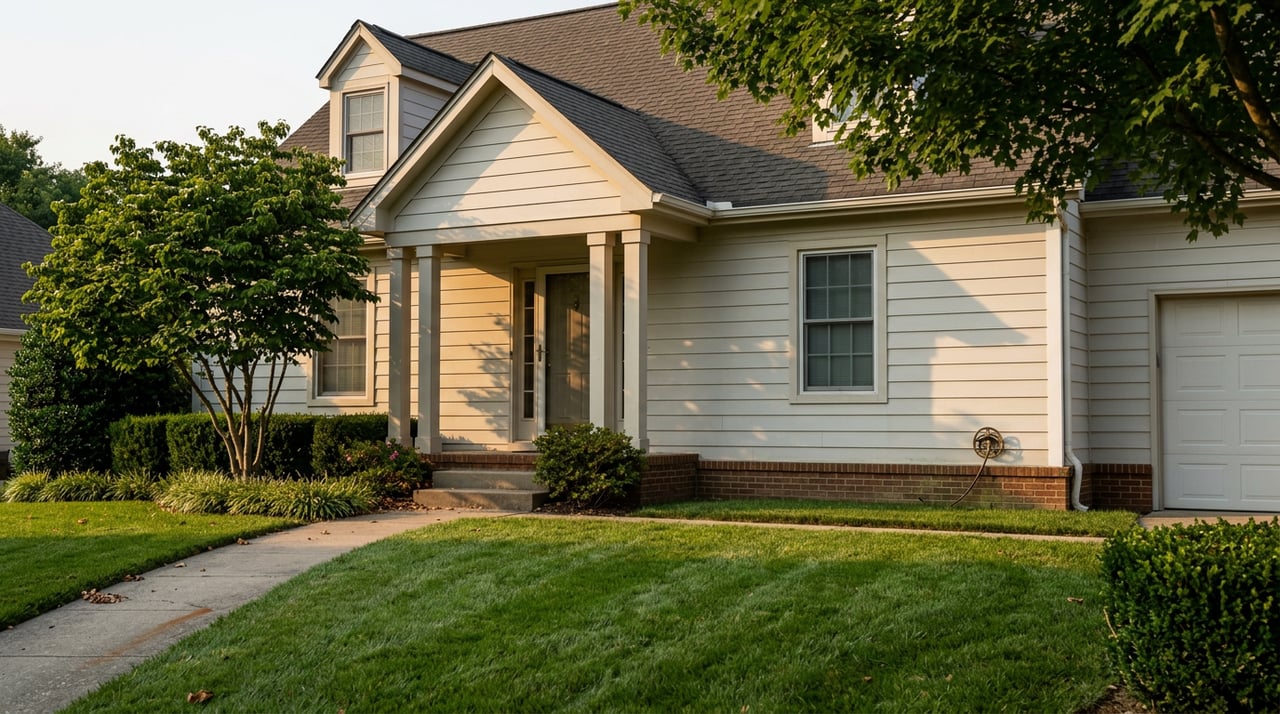
Interior Great Neck homes generally deliver more square footage and yard for the price. You often get deeper rear yards, simpler landscaping needs, and easier space for playsets, gardens, or storage buildings. If you want flexibility for future remodeling or an addition, interior lots can be more straightforward.
Flood exposure and peace of mind
Interior addresses usually sit farther from tidal exposure, which can reduce direct flood risk and lower expected insurance costs. That said, not all interior parcels are equal. Low-lying streets or properties near canals can still experience storm or drainage flooding. Parcel-level flood research is essential either way.
Prices and value signals
Great Neck’s waterfront neighborhoods typically command a large premium compared to the broader interior market. In recent snapshots, bayfront enclaves like Bay Colony and Broad Bay Colony often show median prices in the million-dollar range. By contrast, overall Great Neck neighborhood medians land in the mid-hundreds of thousands. Premiums vary widely by view, depth, lot size, house condition, and whether the access is deepwater or canal. Because waterfront inventory is limited and unique, pricing can swing more than on interior streets. For any address, ask your agent for a current, address-specific analysis using recent local comps.
Flood and insurance essentials
Why it matters in Great Neck
Hampton Roads is among the U.S. regions experiencing some of the fastest relative sea-level rise. Local scientists track increasing nuisance and tidal-flood frequency, which is an important planning factor for coastal buyers. For background, see the VIMS Sea-Level Report Cards.
How insurance works
If a property is in a FEMA Special Flood Hazard Area, most lenders will require an NFIP policy. You can check a property’s FEMA flood zone using the FEMA Flood Map Service Center. FEMA now prices policies under Risk Rating 2.0, which makes premiums property-specific based on factors like elevation, distance to water, and foundation type. Review a concise explainer of Risk Rating 2.0 and get quotes early in your search.
Local discounts and projects
Virginia Beach participates in FEMA’s Community Rating System with a Class 7 rating, which provides about a 15% discount on NFIP premiums citywide. Learn more in the city’s update on how Virginia Beach helps reduce resident flood insurance premiums. The city is also investing in long-term flood protection upgrades through a bond-funded program known as The Ripple Effect. You can read about several completed and active efforts in the city’s summary of five flood protection projects that strengthened the community.
Quick flood due diligence checklist
- Confirm the parcel’s flood zone and effective FIRM panel using the FEMA Flood Map Service Center.
- Request an Elevation Certificate or the right to obtain one for accurate pricing and potential LOMA eligibility.
- Ask for the property’s flood or insurance claims history and any prior LOMA or LOMR documents.
- Obtain two insurance quotes before committing, one NFIP and one private-market, given the property-specific pricing under Risk Rating 2.0.
- For waterfront lots, collect bulkhead and dock repair history, permits, and invoices.
Boating, marinas, and access
The Lynnhaven area supports an active boating community. Many owners use private docks, while others rely on nearby marinas for slips, pump-outs, and service. For context on services and location near Great Neck, explore Long Bay Pointe Marina. The Lynnhaven River is a designated No-Discharge Zone, which affects onboard systems and pump-out planning. Review the local overview of the No-Discharge Zone for boating norms and compliance.
What to verify on a listing
- Type of water access: deepwater, canal, tidal cove, or open bay.
- Navigable depth at low tide and any known shoaling or dredging needs.
- Private dock permits, condition, and any HOA rules for shared structures.
- Marina slip availability and pump-out options if you plan to keep a larger boat.
Schools, parks, and everyday life
Many Great Neck addresses are commonly associated with John B. Dey Elementary, Great Neck Middle, and Frank W. Cox High School. Attendance zones vary by parcel, so confirm your address with the division. You can start with the John B. Dey Elementary site for contact information. For outdoor time beyond the backyard, Great Neck Park and nearby First Landing State Park offer trails, water views, and access to nature. See a quick snapshot of amenities at Great Neck Park.
Resale, financing, and timing
Waterfront homes can attract a focused buyer segment that prioritizes boating, views, and privacy. When well maintained, they often hold value, but they remain sensitive to changing perceptions of flood risk and insurance. Interior homes can appeal to a broader pool that values yard space, bedrooms, and simpler upkeep. If you are financing, remember that lenders typically require flood insurance on homes mapped in a Special Flood Hazard Area, so clarify requirements early in your planning.
A simple decision framework
- Step 1: Rank lifestyle priorities. Choose your top three among these: daily waterfront use, views and privacy, yard and expansion space, and lower monthly carrying costs.
- Step 2: Build a total cost picture. Include purchase price, property tax, homeowners insurance, flood insurance quotes, and realistic shoreline maintenance if applicable.
- Step 3: Run a risk and resilience check. Pull FEMA maps, review an Elevation Certificate, and ask for the seller’s repair and claims history. Note any city flood-mitigation projects scheduled near the property.
- Step 4: Verify boating access. Confirm private dock permits, navigational depth, and slip availability at marinas that fit your boat size.
- Step 5: Get hard numbers before you offer. Secure two flood insurance quotes, an Elevation Certificate or right to obtain one, a written flood determination, and a shoreline inspection for bulkheads and docks.
- Step 6: Think about resale. Ask for comps by buyer type and discuss expected time on market for both waterfront and interior properties under current conditions.
Red flags that merit a pause
- Repeated flood claims within the last decade without documented mitigation.
- Failing or deflected bulkhead, rotten pilings, or unpermitted dock structures.
- No Elevation Certificate on a home in or near an SFHA.
- Parcels within a mapped regulatory floodway, where improvements can face strict limits.
- Known canal shoaling that restricts access to your slip at mid to low tide.
When you weigh waterfront against interior living in Great Neck, you are really choosing how you want to spend your days and how you want to allocate your budget over time. If you want views, boat access, and a front-row seat to the bay, a well-vetted waterfront property is hard to beat. If you want more space, simpler maintenance, and potentially lower ongoing costs, an interior address may be the smarter move. Not sure which path fits best? Let a local expert help you compare specific streets and addresses.
If you are ready to see how these tradeoffs look on the ground, connect with Robert Ramey for a focused neighborhood tour, tailored comps, and a clear plan to buy with confidence in Great Neck.
FAQs
Are Great Neck waterfront homes a good investment?
- Waterfront homes can hold value well when maintained, but pricing and resale depend on unique factors like view, depth, shoreline condition, and evolving flood and insurance dynamics.
How much is flood insurance in Great Neck for a typical home?
- Premiums are property-specific under Risk Rating 2.0, so two nearby homes can have very different prices; get NFIP and private quotes early for any address you are considering.
Can I keep a boat at a Great Neck home, or do I need a marina?
- Many waterfront homes support private docks, but some owners still rely on marinas for slips, pump-outs, and service; confirm permits, depth, and local marina availability before you buy.
Which public schools serve Great Neck addresses?
- Many addresses are commonly associated with John B. Dey Elementary, Great Neck Middle, and Frank W. Cox High, but you should confirm attendance zones with Virginia Beach City Public Schools.
What maintenance should I expect on a bulkhead or dock?
- Plan for periodic repairs, deck and piling replacement, and permit work for improvements; some owners consider living shorelines where appropriate to reduce long-term erosion.
Do interior homes ever flood in Great Neck?
- While interior homes are generally less exposed to tidal flooding, low-lying parcels or homes near canals can still flood during heavy rain or storms; always complete parcel-level flood due diligence.