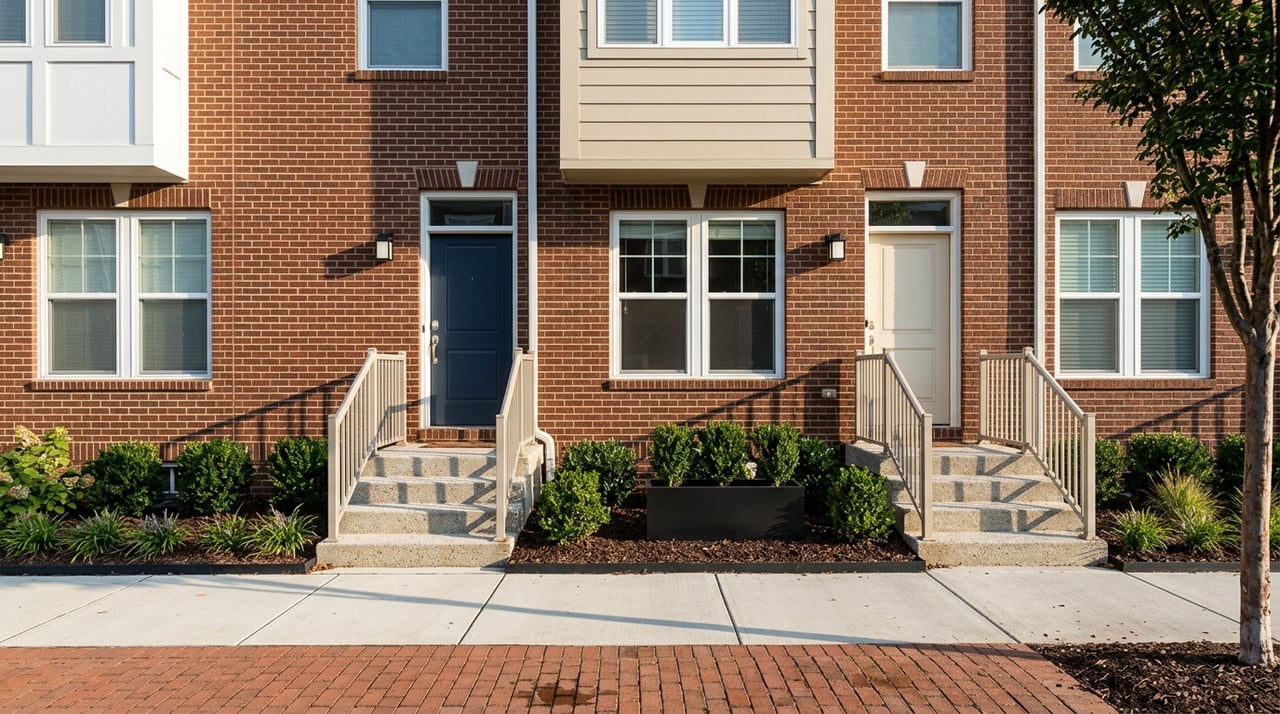
If you want city energy without giving up everyday convenience, Norfolk deserves a close look. Urban living here can mean shorter commutes, walkable dining, waterfront trails, and lower-maintenance housing, but it can also mean HOA rules, parking planning, and historic-district guidelines. If you are trying to decide whether downtown life, a condo, or a townhome fits your lifestyle, this guide will help you sort through the tradeoffs and focus on what matters most. Let’s dive in.
Why Norfolk Appeals to Urban Buyers
Norfolk is a mid-sized coastal city with about 235,000 residents, a dense downtown core, major waterfront assets, and a strong medical, military, and cultural presence. That gives you a city lifestyle with a lot of daily convenience packed into a relatively manageable footprint.
For many buyers, the real question is not whether Norfolk offers urban amenities. It is whether you are comfortable trading some private space and flexibility for proximity, easier access to work, and housing that may require less exterior upkeep.
Norfolk Neighborhoods to Know
Downtown Norfolk
Downtown Norfolk centers on Granby Street and the city’s oldest commercial core. It is one of the most active choices for buyers who want to be close to offices, restaurants, entertainment, and transit.
Downtown is also changing in real time. The city is moving forward with a redevelopment plan for MacArthur Center that is expected to bring new market-rate residential units, street-level retail, hotel rooms, and connected open space, with the center scheduled to close by June 30, 2026. For you, that means downtown is still evolving, with future shifts in foot traffic, retail patterns, and parking demand.
Ghent
Ghent offers a different kind of urban experience. The city describes Ghent and North Ghent as planned neighborhoods from around the turn of the twentieth century, shaped by City Beautiful and Beaux Arts influences.
In practical terms, Ghent often feels more residential and established than downtown while still keeping you close to the urban core. If you want city access with a neighborhood setting, Ghent is often a strong place to start.
East and West Freemason
East Freemason and West Freemason sit close to downtown and add another layer of urban housing options. The city identifies both as historic districts known for high-style architecture.
For buyers, these areas can offer proximity to downtown with a distinct historic character. They are worth considering if you want urban access but are drawn to older architecture and a more traditional streetscape.
Park Place
Park Place is another nearby district that matters for condo, apartment, and townhome buyers. The neighborhood reflects part of Norfolk’s adaptive-reuse story, including the conversion of a local landmark to apartments in recent years.
That can make Park Place appealing if you like the idea of urban housing in an area with a different mix of building types and neighborhood texture than downtown or Ghent.
NEON District
If you want a more creative, mixed-use setting, the NEON District stands out. It is Norfolk’s first official arts district and is anchored by cultural institutions, public art, studios, and eclectic businesses.
For some buyers, that adds a lifestyle layer that goes beyond the home itself. You are not just choosing square footage or finishes. You are choosing an environment that may feel more expressive and active day to day.
What Condo and Townhome Living Really Means
Condo and townhome living in Norfolk can simplify maintenance, but it usually comes with shared rules and shared decision-making. That is not necessarily a drawback, but it is something to understand clearly before you buy.
In Virginia, condo associations and community associations operate within a structured legal framework. The Common Interest Community Board regulates condo and association managers, associations must register and file annual reports, and the state ombudsman office helps owners understand their rights and processes.
The practical takeaway is simple: condo living often gives you convenience, but not complete autonomy. Associations can adopt and enforce rules for common elements, assess charges for violations, and suspend certain association-provided services for nonpayment when assessments are more than 60 days overdue, subject to notice and hearing procedures.
Questions to Ask Before You Buy a Norfolk Condo
Before you commit to a condo or townhome, make sure you know how the association affects your monthly budget and daily routine. The resale package is not just paperwork. It is a key part of your due diligence.
Here are some of the most important questions to ask:
- What do the monthly fees cover?
- Is parking assigned, deeded, or first come, first served?
- Are there pet limits or other use restrictions?
- Are there rental restrictions?
- What rules apply to balconies, windows, roofs, or exterior changes?
- What reserve or maintenance obligations should you understand before closing?
Virginia has also standardized common-interest-community resale documents under the current resale disclosure framework, and electronic delivery options are part of the process. That means buyers should expect a more formal review process and should take the time to read those documents carefully.
Historic District Rules Matter More Than Many Buyers Expect
Norfolk has a Norfolk-specific factor that can affect condo and townhome buyers in several urban neighborhoods: historic preservation review. In locally zoned historic districts such as Downtown, East Freemason, West Freemason, and Ghent, exterior alterations, new construction, and often demolition require design review and a Certificate of Appropriateness.
That matters if you plan to change exterior windows, doors, balconies, roofing, or façade details. If you assume you can buy and make visible exterior changes right away, you may run into another layer of approval.
This does not mean you should avoid historic districts. It means you should go in with clear expectations, especially if you are comparing a newer condo building with a townhouse or condo in a historic area.
Commutes and Transit in Norfolk
One of the biggest advantages of urban living in Norfolk is the ability to cut down on drive time for certain destinations. That can be especially helpful if you work downtown, in the medical district, or near one of the major transit-served corridors.
The Tide light rail is a major asset for city-living buyers. It runs 7.4 miles from the Eastern Virginia Medical Center area through downtown to Newtown Road, with 11 stops and four stop-and-ride facilities.
The line serves destinations that matter in daily life, including Norfolk State University, Tidewater Community College’s Norfolk campus, City Hall, Harbor Park, MacArthur Center, and Sentara Norfolk General Hospital. If you are hoping to reduce car use, that is one of the first systems to map against your routine.
Bus, Ferry, and Daily Mobility
Downtown Norfolk also has a useful transit hub at the Downtown Norfolk Transit Center on St. Pauls Boulevard. HRT’s broader system includes bus, light rail, ferry, trolley, and Base Express service.
For riders trying to keep transportation simple, HRT’s GoMobile app supports bus, light rail, and ferry fares with fare capping that limits spending to $4.50 per day or $70 per month. For some buyers, that makes a one-car or car-light lifestyle much more realistic.
Commuting to Hospitals and Military Bases
For medical workers, Sentara Norfolk General Hospital and CHKD are major anchors near the urban core. Downtown and Ghent are often logical starting points if you want a shorter trip to those medical campuses.
For military households, commute patterns are more route-dependent. Naval Station Norfolk and Joint Expeditionary Base Little Creek-Fort Story are major regional destinations, and while Norfolk is home to the world’s largest naval base, living close to downtown does not automatically mean an easy base commute. It is important to test routes based on your specific duty location and schedule.
Parking Is the Lifestyle Reality Check
Parking is often the biggest adjustment for buyers moving into downtown Norfolk. Downtown has more than 19,000 public parking spaces, but curb parking is still metered and time-limited.
That means on-street parking may work for short visits, but long-term convenience often depends on garage access, assigned spaces, or residential permit options. The city also offers residential permits that may include a free annual visitor pass plus low-cost 30-day visitor passes, and monthly parking programs are available in some settings.
If you are thinking about living with one car, two cars, or frequent guests, ask very direct questions before you buy. Parking can shape your day-to-day experience just as much as the floor plan.
What Daily Life Feels Like
Norfolk’s urban appeal is not just about work and housing. It is also about having a lot to do within a compact area.
Downtown is described as the region’s cultural heart, with destinations such as the Chrysler Museum of Art, Chrysler Hall, Virginia Stage Company, Virginia Opera, Virginia Symphony Orchestra, the NEON District, and Waterside clustered within a few blocks. If you want weeknight options without a long drive, that concentration matters.
Dining is another major advantage. Downtown restaurants and bars are grouped closely together, which can make it easy to leave the car parked and still enjoy a full evening out.
The Elizabeth River Trail also adds a strong lifestyle component. While source descriptions vary on the exact mileage, what is consistent is that the trail is waterfront-oriented, accessible from downtown and West Ghent, and useful for walking, running, or biking as part of everyday city life.
Is Urban Norfolk the Right Fit for You?
Urban living in Norfolk tends to work best if you value proximity, convenience, cultural access, and lower-maintenance housing. It can be a strong fit for first-time buyers, medical professionals, military and corporate relocations, and anyone who wants a more connected day-to-day routine.
It may be a less natural fit if your top priorities are abundant private yard space, easy guest parking, or complete freedom to make exterior changes. The best choice usually comes down to how you weigh commute time, maintenance, walkability, and housing rules.
If you are comparing Norfolk neighborhoods, condos, or townhomes and want practical guidance tailored to your move, Robert Ramey can help you evaluate the tradeoffs and find the right fit in Hampton Roads.
FAQs
What is urban living like in Norfolk, VA?
- Urban living in Norfolk often means closer access to downtown amenities, medical centers, transit, dining, and cultural venues, along with tradeoffs such as parking management, HOA rules, and less private outdoor space.
Which Norfolk neighborhoods are best known for urban housing options?
- Downtown Norfolk, Ghent, East Freemason, West Freemason, Park Place, and the NEON District are among the key areas to explore for condos, townhomes, and other urban-style housing.
What should condo buyers in Norfolk ask about before buying?
- You should ask what the monthly fees cover, how parking works, whether there are rental or pet restrictions, and whether exterior changes or future remodel plans require association or historic-district approval.
Are historic district rules important for Norfolk condo and townhome buyers?
- Yes. In local historic districts such as Downtown, Ghent, East Freemason, and West Freemason, exterior changes may require design review and a Certificate of Appropriateness.
How does public transit work for urban living in Norfolk?
- Norfolk offers light rail through The Tide, plus bus, ferry, trolley, and Base Express service through HRT, giving some buyers the option to live with fewer car trips or possibly one less vehicle.
Is parking difficult in downtown Norfolk?
- Parking requires planning more than many buyers expect because curb parking is metered and time-limited, so garages, assigned spaces, and residential permits are often the more reliable long-term options.