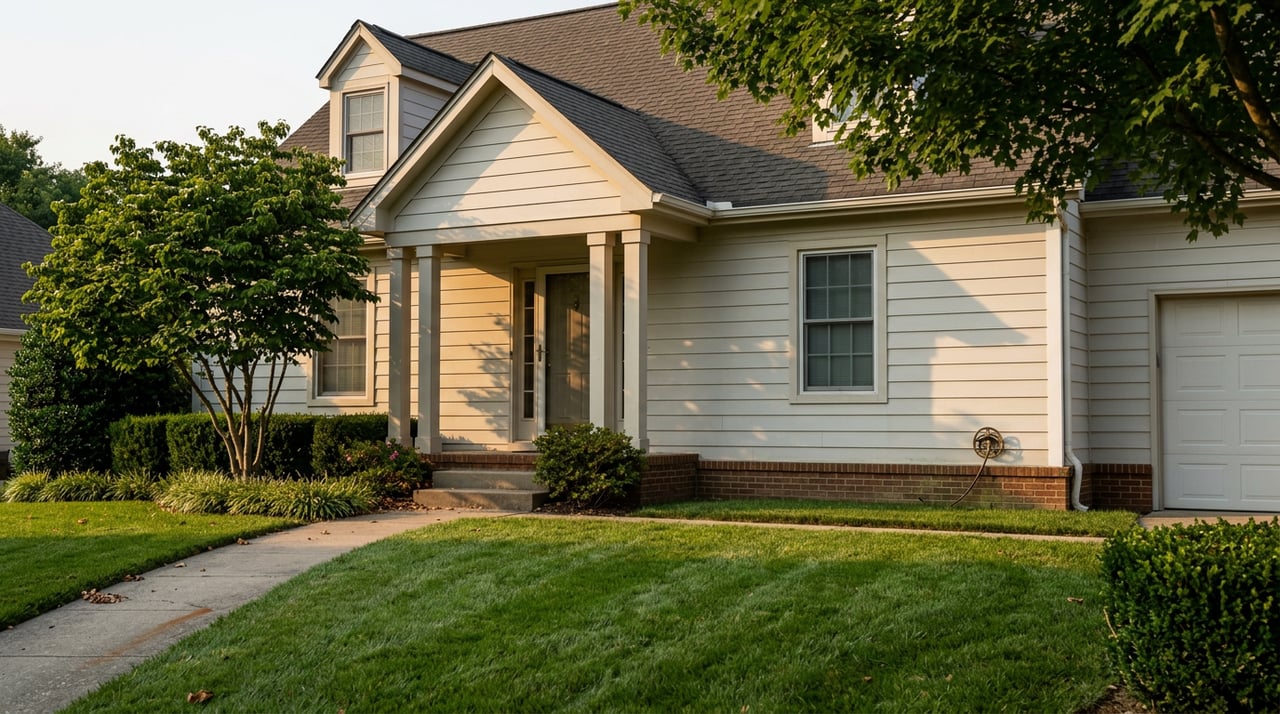
Trying to decide between Great Neck and Little Neck for your next move in Virginia Beach? Your daily routine is the tie-breaker. From commute routes and weekend water time to errands and home styles, small differences can make a big impact. In this guide, you’ll compare the two side by side, learn how to verify the details that matter, and get a simple checklist to find your best fit. Let’s dive in.
Great Neck vs Little Neck at a glance
Both neighborhoods sit in northeastern Virginia Beach near waterways connected to the Lynnhaven River and Chesapeake Bay. You’ll find a suburban feel with quiet streets, cul-de-sacs, and a mix of mid-century homes and newer infill construction. Many buyers choose these areas for water access, coastal lifestyle, and convenient access to regional roads.
The biggest differences show up in your routine. Route choices, proximity to dining corridors, and the type of water access on your block can change your day-to-day. If you picture boating on weekends, grabbing dinner close by, and a predictable commute during the week, keep reading.
Commute and transportation
Route options to know
- Coastal routes like Shore Drive offer scenic drives to beachfront areas but can slow down on summer weekends.
- Inland arterials connect to I-264, I-64, and Virginia Beach Blvd for commutes toward Norfolk, Portsmouth, and Town Center.
- Expect typical weekday peak congestion toward major employment centers in the mornings and evenings.
If commute time is your top priority, check your specific door-to-door drives at your usual departure times. Use live tools to see realistic ranges:
- Verify current highway and arterial conditions through VDOT traffic information.
- Run live time checks for your destinations with Google Maps drive-time estimates.
- Review public transit routes and schedules using Hampton Roads Transit route maps.
Biking and alternatives
Shoreline roads and nearby corridors offer scenic biking, and infrastructure can vary block by block. For a non-driving commute, consider carpools, park-and-ride lots, or employer shuttles if available. If cycling matters to you, review local bike maps from the City and test-ride your route at commute hours.
Seasonal patterns
Summer weekends bring more traffic toward the oceanfront and along Shore Drive. If your routine includes regular beach trips or weekend dining near the water, plan for extra time during peak season.
Water, parks, and the outdoors
Water access differences
Both Great Neck and Little Neck sit near tidal waterways that feed into the Lynnhaven system. Some streets include direct private-waterfront lots. Others offer nearby access via community piers, small marinas, kayak launches, or public boat ramps. Decide whether you need a private dock or if a short drive to a ramp fits your lifestyle and budget.
Parks and green space
Expect access to city parks, neighborhood greens, and linear trails across both areas. Shoreline parks and natural areas offer coastal views, tidal marshes, and outdoor options for all ages. For a current list of parks and amenities, consult City of Virginia Beach Parks & Recreation.
Flood risk basics
Near-water properties can be affected by tidal flooding, storm surge, and sea level rise. If you are considering a waterfront or near-water home, check the property’s FEMA flood zone, elevation, and any flood insurance requirements. Start with the FEMA Flood Map Service Center for flood zones and request elevation certificates where applicable.
What to ask your agent and inspector:
- Flood history disclosures and any mitigation improvements.
- Bulkhead, dock, and piling condition if present.
- Septic versus sewer connection and relevant maintenance.
Dining, retail, and errands
Both neighborhoods offer quick access to everyday essentials, including grocery stores, pharmacies, and casual dining along nearby commercial corridors. You’ll find a mix of family restaurants, seafood spots, and national chains, with more variety a short drive away.
Tips to gauge fit:
- Map your typical errands loop. Can you do grocery, pharmacy, and a quick dinner in one trip?
- Check weekday dinner options versus weekend brunch spots.
- Visit at different times to see parking, traffic, and wait times.
Housing types and tradeoffs
You will primarily see single-family detached homes in both Great Neck and Little Neck. The housing mix includes mid-century ranch and split-level homes, post-war construction, and newer infill or full renovations. Waterfront parcels typically command a premium and may include private docks. Inland pockets can deliver better value or larger yards.
Consider your maintenance tolerance. Waterfront structures like bulkheads and docks may require ongoing care. Older homes may call for updates to roofing, HVAC, or flood-hardening. If you prefer move-in ready, you may prioritize newer builds or recently renovated homes on inland lots.
A simple way to think about it:
- Waterfront premium: Highest price tier; private docks or direct access; more maintenance.
- Near-water homes: Short walk or drive to ramps or community piers; balanced price-to-lifestyle tradeoff.
- Inland value: More house for the money; potential for newer construction or larger yards.
Decision checklist
Use these questions to zero in on your best fit:
- Commute: Which destinations do you drive most weekdays, and which route is fastest at your departure time?
- Water use: Do you need a private dock, or is a nearby ramp or marina enough?
- Outdoors: How important is quick access to beach areas, parks, and trails?
- Errands: Do you want walkable spots, or are you fine with a short drive to a larger retail cluster?
- Home type: Move-in ready or comfortable with renovation projects and waterfront maintenance?
- Flood risk: What flood zone, elevation, and insurance costs fit your comfort level?
- Budget: How much premium are you willing to pay for direct water access?
Who each area may fit
These profiles are starting points to help you narrow your search. Always verify with live commute checks and property-specific details.
- Daily commuter who values speed: Focus on ease of access to I-264, I-64, and inland arterials at your specific departure time. Compare both neighborhoods using Google Maps to see which route delivers consistency.
- Boating household: Prioritize streets with private docks or very close access to ramps and marinas. Be ready for waterfront premiums and added maintenance.
- Convenience seeker: Map your grocery, pharmacy, and favorite casual restaurants to see which neighborhood puts more of your staples within a short drive.
- Budget-conscious coastal buyer: Consider inland pockets in either neighborhood for larger lots or newer renovations without the waterfront premium.
How to choose with confidence
- Test-drive your commute at normal hours. Use VDOT traffic information and Google Maps drive-time estimates to compare both neighborhoods.
- Review transit options with Hampton Roads Transit route maps if a bus or park-and-ride could work for you.
- Check flood zones on the FEMA Flood Map Service Center and request elevation certificates for any near-water home.
- Walk potential blocks at different times: weekday mornings, late afternoons, and weekend afternoons to see real traffic and neighborhood activity.
- Ask your agent for recent comparable sales on the exact street or waterfront pocket you are targeting.
- If schools factor into your routine, confirm zoning and performance data through the Virginia Department of Education and the local district.
When you are ready, connect with a local expert who knows the nuances of Great Neck and Little Neck. From waterfront bulkheads to commute timing and negotiation strategy, experienced guidance saves time and stress.
Ready to compare homes and set up a neighborhood tour? Reach out to Robert Ramey to map your routine to the right address and request a Free Home Valuation and Local Market Review.
FAQs
What should I compare for commutes in Great Neck vs Little Neck?
- Run live drive-time checks for your actual destinations at your usual departure times using tools like Google Maps, and review roadway conditions with VDOT.
How do I verify flood risk near the Lynnhaven River?
- Look up the property’s FEMA flood zone on the FEMA Flood Map Service Center, then request an elevation certificate and review any flood mitigation updates with your inspector.
Are private docks common in these neighborhoods?
- Some streets include private-waterfront lots with docks, while nearby blocks rely on community piers or public ramps; availability varies by street and should be verified during your search.
What home styles are typical in Great Neck and Little Neck?
- Expect mainly single-family homes, with mid-century ranch and split-level styles, post-war builds, and newer infill or full renovations, especially in desirable near-water pockets.
Where can I confirm parks and outdoor amenities nearby?
- Check City of Virginia Beach Parks & Recreation for current park listings, and tour the neighborhood at different times to see how you will actually use the spaces.
How can I evaluate daily errands and dining choices?
- Map your weekly errands loop for both neighborhoods and visit at dinner or weekend hours to gauge parking, travel times, and restaurant wait times before deciding.