Wondering how Little Neck really breaks down once you look past the map label? That is a smart question, especially if you are trying to balance budget, lot size, and water access in one of Virginia Beach’s more nuanced areas. In Little Neck, two homes with the same neighborhood name can offer very different day-to-day living. This guide will help you understand the main pockets, the types of homes you are likely to see, and what water access actually means before you buy or sell. Let’s dive in.
How Little Neck Is Generally Laid Out
Little Neck is described by the Virginia Department of Historic Resources as a triangular-shaped neighborhood bordered by Little Neck Road and North Lynnhaven Road. The survey identifies the core area around Johnson Street, Alberthas Drive, and Congress Street, where lots often range from about one-quarter to one-half acre.
That core area has a more traditional interior neighborhood feel. Public listing patterns also suggest that many buyers and sellers think of this street-grid section separately from the cove-oriented section along Little Neck Road and West Little Neck Road. While those labels are helpful in practice, they are not official city boundaries.
For buyers, that means the name “Little Neck” is only the starting point. The real question is which pocket fits the way you want to live.
Three Little Neck Buyer Priorities
A helpful way to understand Little Neck is to think about three common priorities. Most buyers are deciding between interior convenience and value, larger-lot privacy, or water-oriented living.
The interior streets around Johnson, Alberthas, and Congress often appeal to buyers who want Little Neck character without a full waterfront price tag. The cove and West Little Neck Road area tends to attract buyers focused more on shoreline setting, dock potential, or a more secluded lot pattern. Some buyers also compare both options with the nearby public launch system if they want boating access without paying for direct frontage.
Interior Little Neck Pockets
Johnson, Alberthas, and Congress Area
The interior section is the part of Little Neck many people picture as the neighborhood’s core. According to the historic survey, this area developed mainly in the mid to late 20th century and includes one- and two-story homes with vernacular and Minimal Traditional influences, along with newer infill homes.
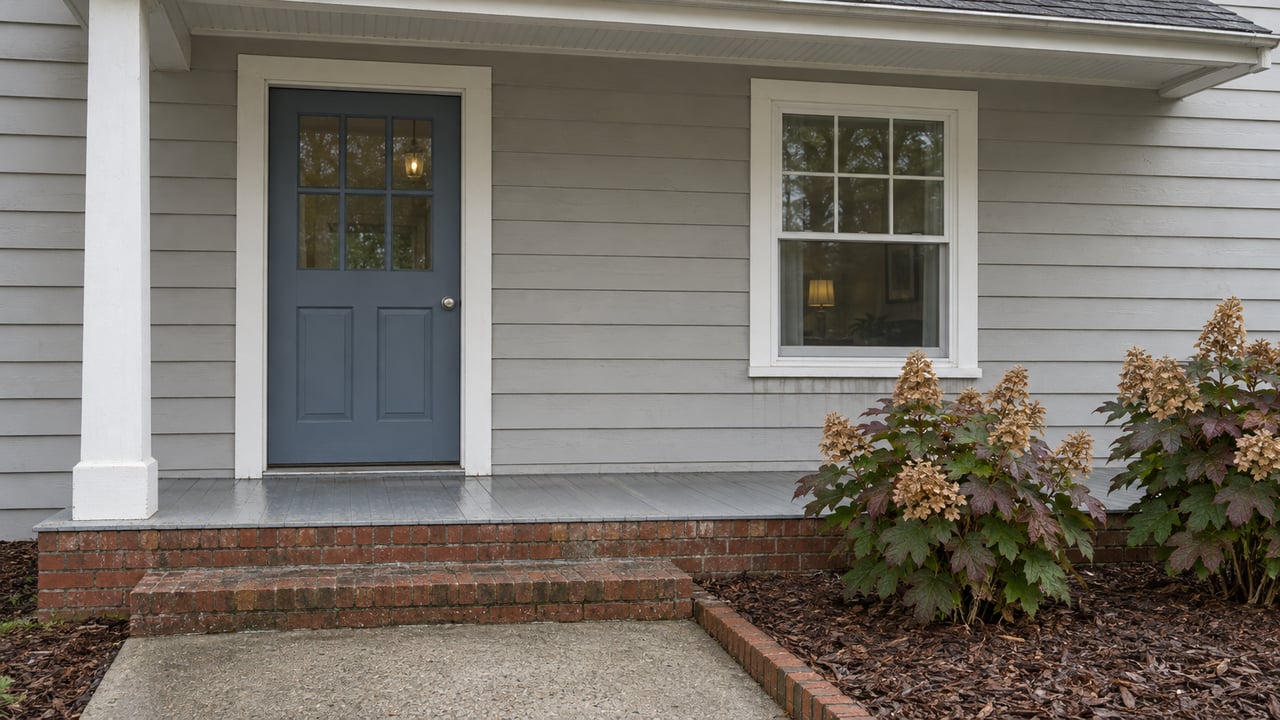
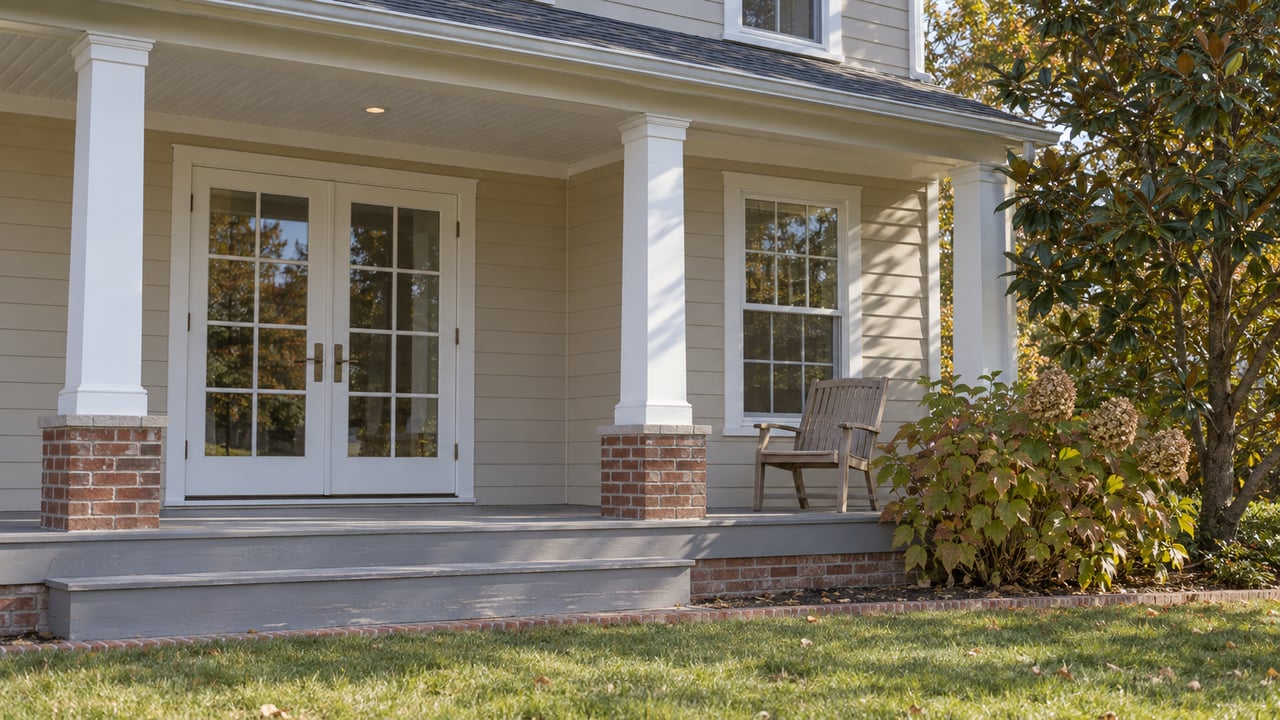
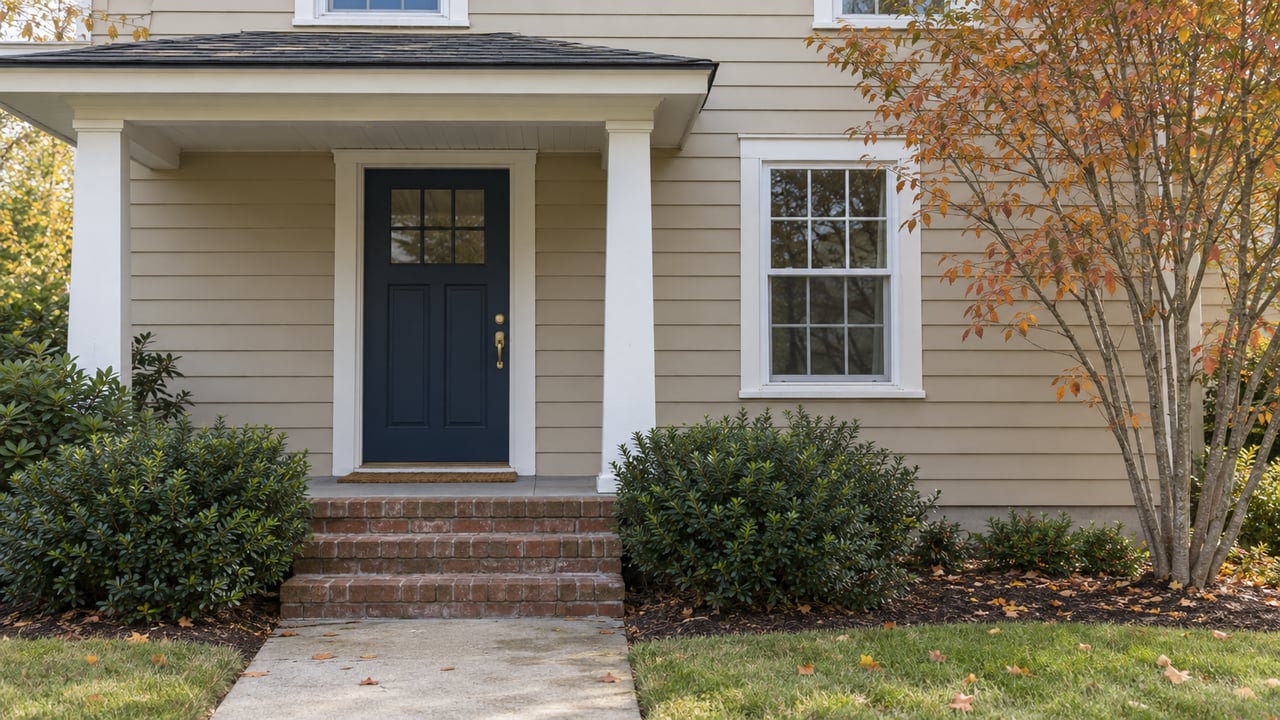
In practical terms, you may see ranch-style homes, 1.5-story houses, remodeled originals, and some larger updated properties on similar streets. That mix can be appealing if you want options instead of a neighborhood where every house feels the same.
What Buyers Often Like Here
This pocket can work well if you want a residential setting with more flexibility on price and home style. Interior lots may also be simpler for buyers who do not need direct shoreline features.
Common draws include:
- A more traditional neighborhood layout
- A mix of original homes and updated replacements
- Lot sizes that often feel more generous than tighter suburban patterns
- Easier entry into Little Neck compared with many water-adjacent properties
Little Neck Cove and Water-Oriented Pockets
Little Neck Road and West Little Neck Road
Public listing data suggest that homes along Little Neck Road and West Little Neck Road are often grouped under the Little Neck Cove label. Again, that is a practical listing pattern rather than an official city designation, but it does reflect how the market often views these homes.
This pocket tends to feel different from the interior grid. Homes here often draw attention for water orientation, more secluded lot patterns, and in some cases direct frontage or navigable access.
What Water Access Can Mean Here
Water access in Little Neck is not one-size-fits-all. Some homes may offer direct frontage, some may have dock potential, and some may simply be near the water without giving you usable launch or shoreline rights.
That distinction matters because Virginia Beach Parks and Recreation notes that much of the land next to waterways is private property. In other words, living near the shoreline is not the same as having public access or launch rights.
If you are looking at a cove property, it helps to ask very specific questions:
- Is the lot actually waterfront or just nearby?
- Is there existing dock infrastructure?
- Is the water described as navigable or deep-water in current listing materials?
- Are there parcel-level limits related to flood zone, drainage, or shoreline use?
Public Launch Access Near Little Neck
Not every boating buyer needs private waterfront. If your priority is getting on the water without owning a shoreline parcel, the nearby Lynnhaven Boat Ramp and Beach Facility is an important comparison point.
According to the City of Virginia Beach, this public facility includes:
- Four concrete boat launch lanes
- Temporary mooring areas
- A canoe and kayak launch
- Trailer parking
- Restrooms
- Shower and foot-rinse areas
- Changing areas
- Car parking
- Ice sales
- A walkway under Lesner Bridge to the Ocean Park Beach Area on Chesapeake Bay
The city lists daily boat launch passes at $15 and annual launch passes at $200, with car parking at $4 per vehicle. For some buyers, that makes an interior Little Neck home plus public launch access a practical alternative to paying a premium for direct waterfront ownership.
Home Styles You Are Likely to See
One of Little Neck’s strengths is variety. The historic survey points to one- and two-story homes, vernacular forms, Minimal Traditional houses, and newer infill across the neighborhood.
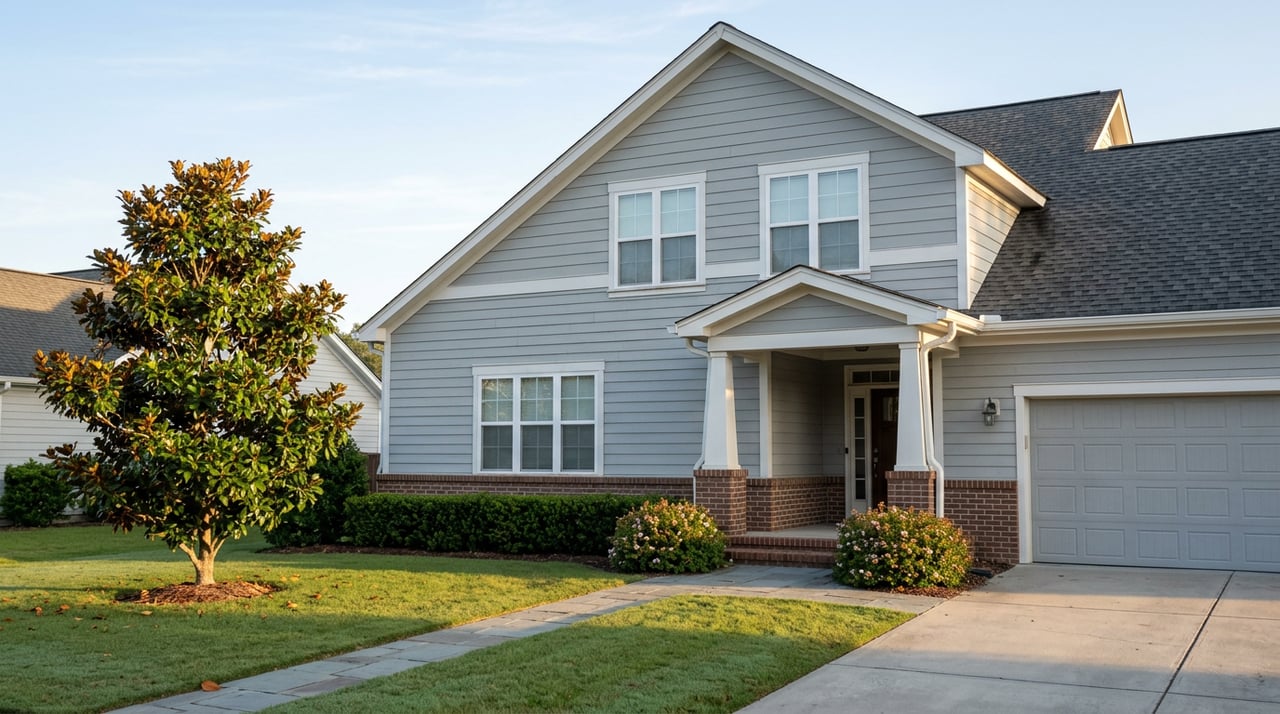
Current listing examples reinforce that range. In the interior pockets, you may find smaller ranches, 1.5-story homes, and updated mid-century properties. In the cove-oriented sections, the housing stock often skews larger, with more contemporary layouts, customized finishes, and homes designed to take advantage of lot position or water views.
That variety is useful if you are comparing lifestyle goals. Some buyers want a lower-maintenance entry point into the neighborhood, while others are focused on custom features, larger footprints, or waterfront orientation.
Price Differences Across Little Neck
Price is one of the clearest ways the different pockets separate. Redfin reported a median sale price of $506,330 in Little Neck in May 2026, with a sale-to-list ratio of 100.7 percent and 51 homes for sale at the time of capture.
Within the neighborhood, though, the spread appears wide. Public listing data suggest interior homes can still show up from the high $200,000s to the mid $400,000s, while larger or renovated homes on bigger lots often move into the $600,000s to $800,000s. Waterfront and cove properties commonly begin around the high $700,000s to low $800,000s and can rise well beyond $1 million.
That range is exactly why pocket-level guidance matters in Little Neck. A buyer searching only by neighborhood name can miss the fact that the housing options, lot types, and pricing can shift dramatically from one street cluster to the next.
Flood Zone and Parcel Checks Matter
For water-adjacent homes, broad neighborhood averages only tell part of the story. Public market data for the larger Little Neck area also flag moderate flood risk, severe wind risk, and extreme heat risk.
That does not mean every property has the same level of exposure. It means you should verify the exact parcel details before making assumptions, especially if a home is close to the cove, creek, or shoreline edge.
The City of Virginia Beach provides tools such as VBMap, open GIS data, flood-zone maps, and zoning maps. Those resources can help confirm whether a property sits on an interior lot, a cove lot, or a shoreline edge, and whether parcel-specific factors may affect your plans.
How To Choose the Right Pocket
Best Fit for Interior Convenience
If you want Little Neck’s established feel without the waterfront premium, the interior streets may be the strongest fit. This option can make sense if you value neighborhood character, more moderate entry pricing, and a home base that still keeps you in a sought-after Virginia Beach area.
Best Fit for Privacy and Lot Position
If your top priority is a more secluded setting or a lot pattern that feels set apart from the interior grid, the cove-oriented pockets may deserve a closer look. These homes often attract buyers who are willing to pay more for the lot itself, not just the house.
Best Fit for Water-Oriented Living
If boating, shoreline living, or dock potential is central to your lifestyle, Little Neck Cove and West Little Neck Road are usually where your search gets more focused. Still, it is worth comparing private-water possibilities against nearby public launch options to make sure you are paying for features you will actually use.
Why This Matters for Buyers and Sellers
For buyers, understanding Little Neck by pocket helps you avoid overgeneralizing the neighborhood. You can target the section that best fits your budget, boating goals, and preferred home style.
For sellers, this pocket-by-pocket view helps position your property more accurately. A home in the interior grid should be marketed differently than a cove-front property or a home with water-oriented appeal. That kind of local framing can shape pricing strategy, buyer expectations, and showing interest.
If you are considering a move in Little Neck, working with someone who knows how buyers compare these micro-areas can make the process much clearer. For local guidance on Little Neck pricing, home search strategy, or how your property fits within the neighborhood, reach out to Robert Ramey.
FAQs
What are the main neighborhood pockets in Little Neck, Virginia Beach?
- Little Neck is commonly understood as having an interior core around Johnson Street, Alberthas Drive, and Congress Street, plus a more water-oriented pocket along Little Neck Road and West Little Neck Road.
What does water access mean in Little Neck Cove?
- Water access can mean very different things, including direct frontage, possible dock potential, or simply proximity to the shoreline, so each parcel should be verified individually.
Is shoreline access in Little Neck the same as public boat access?
- No. The City of Virginia Beach notes that much of the shoreline near waterways is private property, so living near the water does not automatically give you public launch or shoreline rights.
Where is the closest public boat launch to Little Neck?
- The nearby Lynnhaven Boat Ramp and Beach Facility is the most relevant public launch option, with boat lanes, temporary mooring, a canoe and kayak launch, parking, and support amenities.
Are homes in interior Little Neck usually less expensive than waterfront homes?
- Public listing patterns suggest interior homes are often priced below waterfront and cove properties, with the neighborhood showing a wide range from entry-level interior homes to premium water-oriented listings.
What kinds of homes are common in Little Neck, Virginia Beach?
- Buyers can find a mix of one-story ranches, 1.5-story homes, two-story houses, remodeled mid-century properties, newer infill homes, and larger contemporary or custom-style houses in water-oriented sections.